
L’invasion de l’Ukraine semble réveiller des images du passé : des armées en conquêtes, des villes assiégées, des destructions massives. Les références à la Deuxième Guerre mondiale sont nombreuses, mais elles ne doivent pas dissimuler qu’il s’agit là d’un conflit, complexe et tragique, du temps présent.
L’évolution technologique a dépassé le droit existant, créant un vide de gouvernance. Le besoin urgent d’un renouvellement des réglementations conduira probablement à des systèmes autonomes et clos, et augmentera encore la fragmentation de l’ordre mondial.
L’élection de Yoon Suk-yeol comme président de la Corée du Sud, avec sa rhétorique antiféministe, contraste avec la féminisation croissante des hommes et des garçons, particulièrement dans la K-pop. Paradoxe étonnant ou errements de la lutte contre les inégalités ?
En s’abritant derrière des consultations citoyennes qu’il sélectionne et organise lui-même, l’État escamote les procédures et institutions démocratiques. Il y a là, selon G. Gourgues, le risque d’une dérive progressive vers une forme d’« autoritarisme participatif ».
La notion de Greater India, dans les années 1920 et 1930, désigne à la fois un projet historiographique, une visée politique, et un imaginaire panasiatique. Elle n’a pas disparu de l’horizon idéologique dans lequel se projette le nationalisme hindou dans l’Inde contemporaine.
À bas bruit, le capitalisme a construit son utopie : un monde débarrassé de la démocratie, de la citoyenneté et de l’État, disséminé sur une multitude de petits territoires reliés par la mobilité du capital et des élites.
Dans un livre d’une grande élégance, Baudoin et Lepage conjuguent leurs talents respectifs pour nous offrir un récit autobiographique à quatre mains, autour de leur voyage au Chili en plein ébullition sociale et politique.
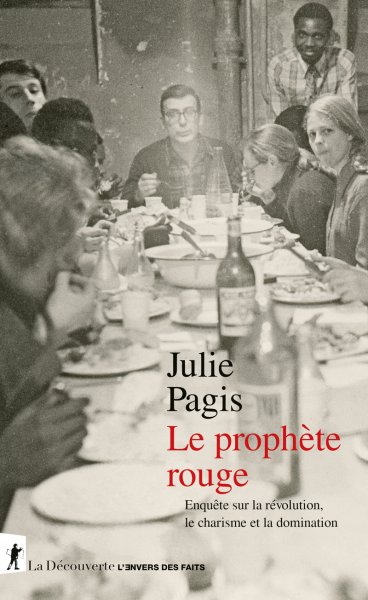
Dans le Paris post-soixante-huitard, un groupe de maoïstes s’organise autour de Fernando, mystérieux prophète des temps modernes. En explorant le fonctionnement de cette organisation, Julie Pagis invite à approfondir la notion de domination charismatique chère à Max Weber.
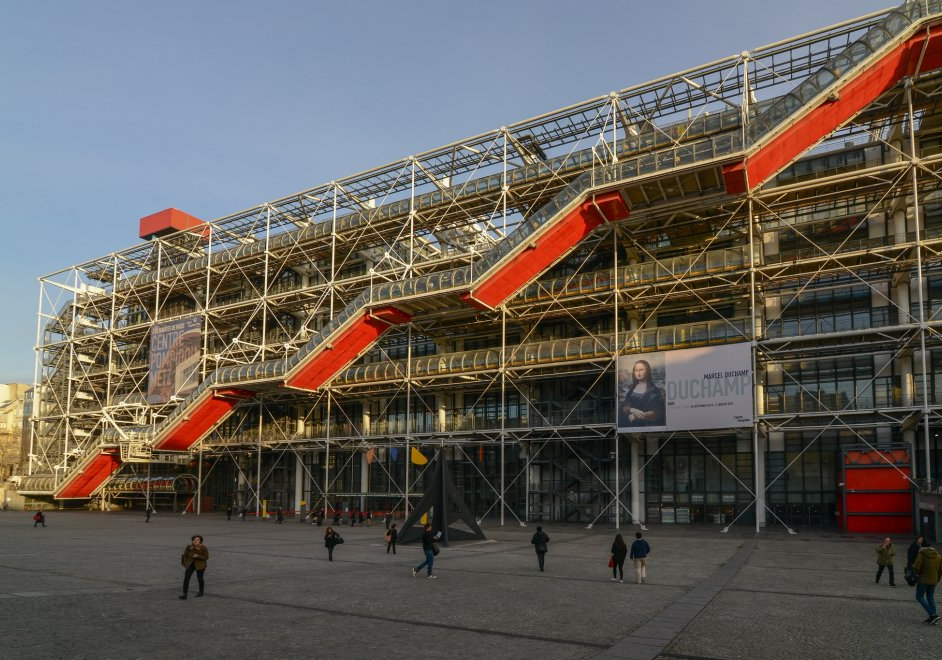
Le Centre Pompidou a été un modèle pour la politique culturelle française, mais aussi le témoin et victime de ses dérives, de ses impasses, de la réduction des budgets publics à la massification-marchandisation de la culture.
L’occident a été le pourvoyeur principal des outils et des vecteurs d’épuisement, voire de destruction des écosystèmes et des ressources depuis la Révolution française.
China managed to maintain a certain amount of economic activity during the lockdown, but at what cost and under what conditions? This article highlights the regime’s use of the media alongside the political and market logics specific to China.
What can literature teach us about China’s experience of democracy in the twentieth century? In an ambitious work, Sebastian Veg explores the links between fiction and democracy in his search for a critical reflection on the reader-citizen.
How do Chinese intellectuals construe social instability? This essay maps out the debate on democracy in early 21st century China and explains how, despite diverse viewpoints, widespread elitist views describe common citizens as obstacles to rapid democratization.
China is neither unfit for democracy, nor predisposed to political liberalism by its Confucian traditions. Aiming to dismiss these two simplistic ideas, this book brings together prominent specialists on political China.
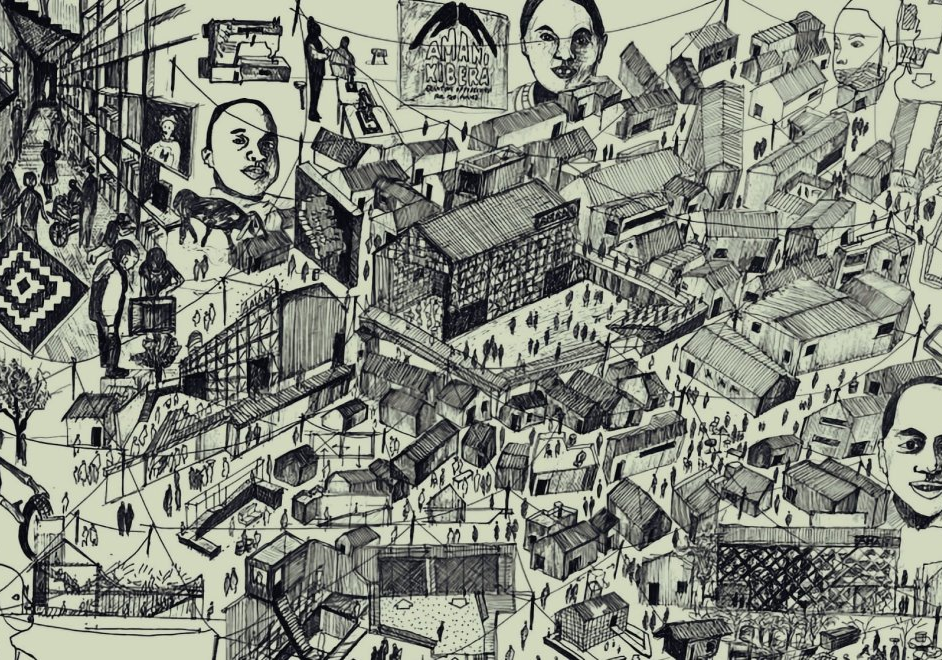
How can we move beyond abstract architecture, where buildings are constructed without their audiences? Peter Ferretto’s method is based on observation, engagement, and the osmosis between teaching, practice, research, and social impact.
According to Australian specialist of social classes David S.G. Goodman, China is still far from a capitalist country. In this interview, he maps out the connections between the Chinese middle classes, the upper class and the Communist Party and their political implications.
Nationalist discourses take the lion share of politics-related discussions on the Chinese Internet. In the context of intense struggles over the interpretation of the Hong Kong protests, this interview with Florian Schneider sheds light on the complexity of online political and identity expression in China and elsewhere.
Chinese society has been thoroughly transformed by digital tools, which private companies have developed for people to shop, chat, entertain themselves. The central and local governments have tried to keep up to date. Jesper Schlæger explains the intricacies of Chinese eGovernment.
The modernization process China is undergoing has significantly affected the family system and the status of the Chinese elderly. The traditional social structure has been undermined and, as a result, the state’s responsibility to ensure the welfare of the elderly has increased. This paper details the reasons for the emergence of the elaborate reform of the social protection system of the elderly that is under way and gives an insight into China’s pension system.
An interview with a Chinese political scientist trained in American universities gives us an insight into China’s pragmatic policy of local experimentation. It chronicles how officials in the municipality of Chongqing have seized the opportunity offered by its special status to launch a unique blend of liberal and socialist economic policy.