


What are the reasons, a sociologist wonders, that gangs of young people get in “trouble”—that is, engage in rivalries that often lead to death?
“Banlieusards 2” (2023)

Urban vendettas
About: Marwan Mohammed, « Y’a embrouille ». Sociologie des rivalités de quartier, Stock
About: Marwan Mohammed, « Y’a embrouille ». Sociologie des rivalités de quartier, Stock

|
Violent clashes between gangs of adolescents and young adults have occurred regularly in the history of working-class spaces in France. This is particularly true of “priority neighborhoods” (quartiers prioritaires), commonly known as “projects” (cités). In our day, they are at the heart of this phenomenon—though they are not alone. As evidence, consider the portrayal of neighborhood rivalries in the movies that, since the 1980s, have punctuated the history of urban housing developments: De bruit et de fureur (Brisseau, 1987), Ma 6-T va craquer (Richet, 1997), L’esquive (Kechiche, 2004), Banlieusards 2 (Kery James, Sy, 2023) and Rixes (Bidan, 2021). Recently, the activist Adama Camara presented these films as a series documenting the “war in the projects.”
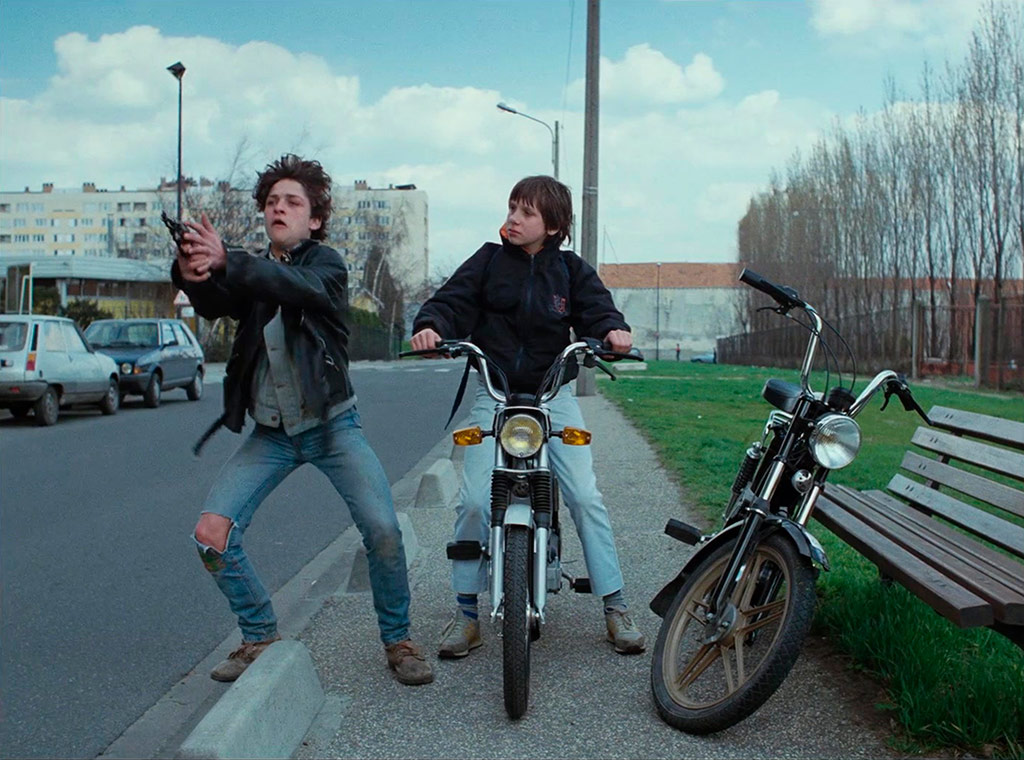
De bruit et de fureur
Jean-Claude Brisseau (1988)
Other genres have addressed the phenomenon, including literature and journalism, such as the report “À la base, c’était lui le gentil” (“Basically, he was the nice one,” Kefi, 2023) or Camara’s forthcoming graphic novel [1]. Like other topics relating to cultural representations of the projects, neighborhood rivalries are so frequently part of daily life that they are often treated as trivial news items. In the French social sciences, the phenomenon has been addressed through the analysis of youth interactions in gangs in works like Les Barjots (Monod, 1968) and Cœur de banlieue (Lepoutre, 2001). These studies emphasize the system of revenge in relation to the values of honor in the street subcultures to which gangs belong.
The sociologist Marwan Mohammed attempts to go further in understanding “troubles” (embrouilles), which he sees as a genuine social phenomenon. Taking them head on, Mohammed meticulously dissects these rivalries to grasp the reasons gangs of young people engage in violent confrontations often resulting in death, in feuds that can last for decades—so long that the reasons they started are forgotten.
Mohammed brings to this book twenty years of research on gangs and juvenile delinquency, during which he published, among other works, La formation des bandes (The formation of gangs, Mohammed, 2011), which is helpful for studying rivalries, given their ties to the gang world. In researching this sociological study, he also read countless newspaper stories and police reports, in addition to speaking with many participants in these “troubles”: young people who were personally involved, their families, residents in affected neighborhoods, educators, and activists. His research seeks not to excuse (Lahire, 2016) these actions but to understand them and consider possible courses of action. One of the book’s great qualities is its careful analysis of the “who?” “why?,” and “how?,” with the goal of finding practical solutions for preventing this phenomenon and its multiple ramifications from occurring.
Anatomy of “trouble”
To grasp the nature of “trouble,” Mohammed’s approach as a sociologist consists in considering them through a plurality of perspectives and scales, ranging from an historical approach seen through the prism of various institutions (the police, politics, the media, the judicial system, and so on) to an “understanding”-focused sociology that is close to the world of meaning of the young boys (and sometimes young girls) who are involved. This approach moves away from a description of socio-economic and urban contexts to focus on more micro-sociological considerations, such as emotion management during confrontations.
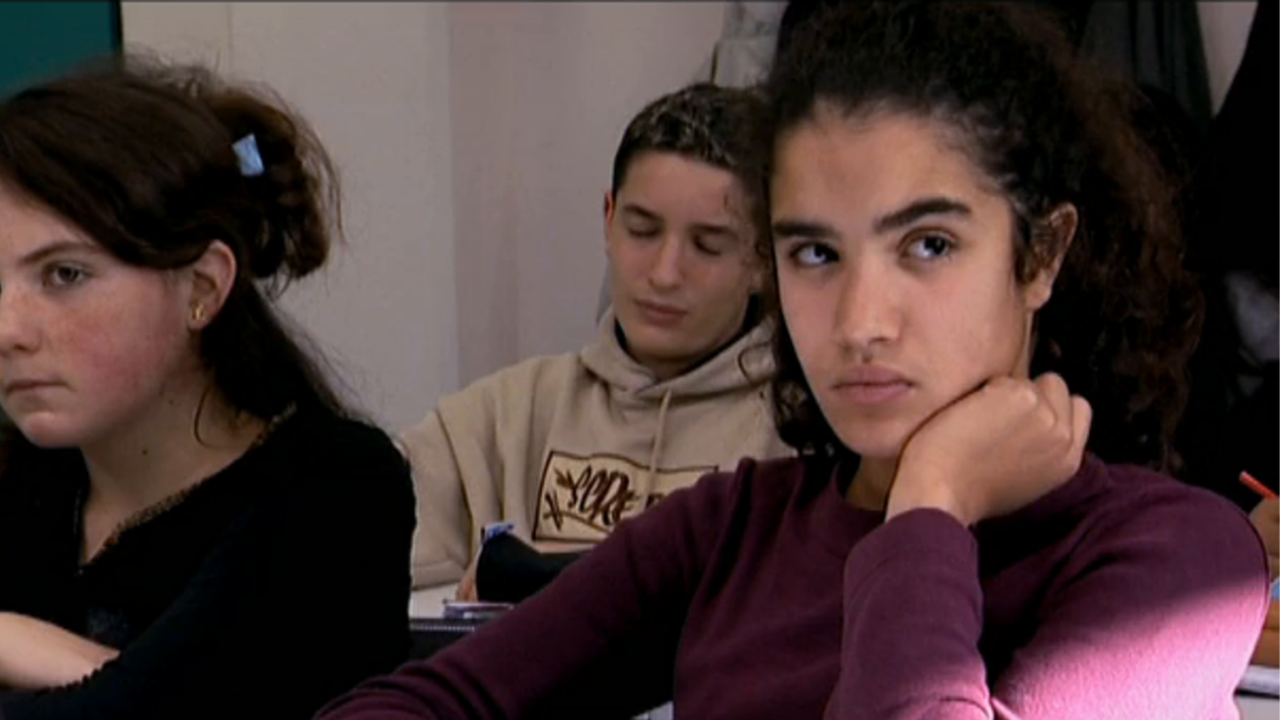
L’esquive
Abdellatif Kechiche (2004)
Violent rivalries between groups of young people have a long history. Mohammed traces this story from antiquity to the modern period. In more recent times, they have been regularly referred to as brawls (rixes). This historical detour is a reminder that the concept of laying claim to territory, which could be found in rural society before coming to cities, has been around a long time. Mohammed is careful to deconstruct the term “brawl” as opposed to the slang term “trouble.” “Brawl” covers very different forms of violent behavior, ranging from confrontations between supporters to fights in nightclubs following a quarrel.
Use of this term, which is preferred by the media, can be explained in part by the hegemony of the police’s perspective on these encounters, as well as on working-class neighborhoods and youth gangs, as can also be seen in the prevalence since the late 1990s of the term “urban violence” (Mucchielli, 2001). By repeatedly claiming that the phenomenon is getting worse, this perspective leads to such fantastic assertions as that gangs of young people control have so much control over their communities that they must be countered by harsher crackdowns, resulting in increased monitoring of young people in these neighborhoods and heightened stigmatization. Yet such measures, Mohammed concludes, have prevented nothing—neither the formation of gangs, nor “trouble.”
By reversing this institutional approach, sociological analysis allows for a careful identification of what makes “trouble” possible, who plays the leading roles, and what forms the conflicts take. The “catch-all” concept of the brawl (p. 90) does not capture all that is implied by “trouble,” which refer more precisely to violence arising from rivalry between groups based in specific spaces (neighborhoods, neighborhood alliances, or villages) and whose cornerstone is a social resource: reputation. [2]
“I’m in trouble, therefore I am”
The profiles and trajectories of the individuals most involved in them show that “troubles” arise from an adolescent “social breeding ground” (p. 187), whose members are predominantly male, minors, from low-income families, and generally in trouble or failing at school. School plays a central role in the formation of this breeding ground, for it is equated with poor prospects and difficulties in entering the job market, as well as other social inequalities, such as families’ material conditions and the effects of segregation and racism, the significance of which has been noted in recent studies (Talpin, et al., 2021). Hanging out in the street and joining gangs is a way of compensating for the disillusionment and suffering related to difficulties at school and at home.

Ma 6-T va Crack-er
Jean-François Richet (1997)
These structural factors result in available time, making it possible to hang out in the street. While there is constant discussion of how violence is increasingly affecting the young, [3] Mohammed observes that gang membership is growing older, meaning that participants in “troubles” are as well. Be this as it may, the social life of young people occurs in the street, punctuated at times by “trouble,” and they learn its codes, norms, and values. Through group and neighborhood membership, this totality offers social recognition and integration that is provided nowhere else. “I am in trouble, therefore I am” (p. 200).
Hence participation in “troubles,” for which there are a wide range of motives (p. 270-271), realizes this integration and, through a willingness to defend one’s reputation, confirms one’s attachment to a neighborhood. At the same time, individuals are socialized into “troubles” through intergenerational transmission—from the oldest to the youngest—of the story of local “troubles,” the training of bodies, and the transmission of the values of virility, respectability, and loyalty that give meaning to these conflicts. Thus a “troubles mindset,” which makes upholding one’s own and one’s neighborhood’s honor an absolute priority, sets it. Herein lies the essence of “troubles,” their persistence, and their recurrence in time—and the reason they represent far more than trivial news items.
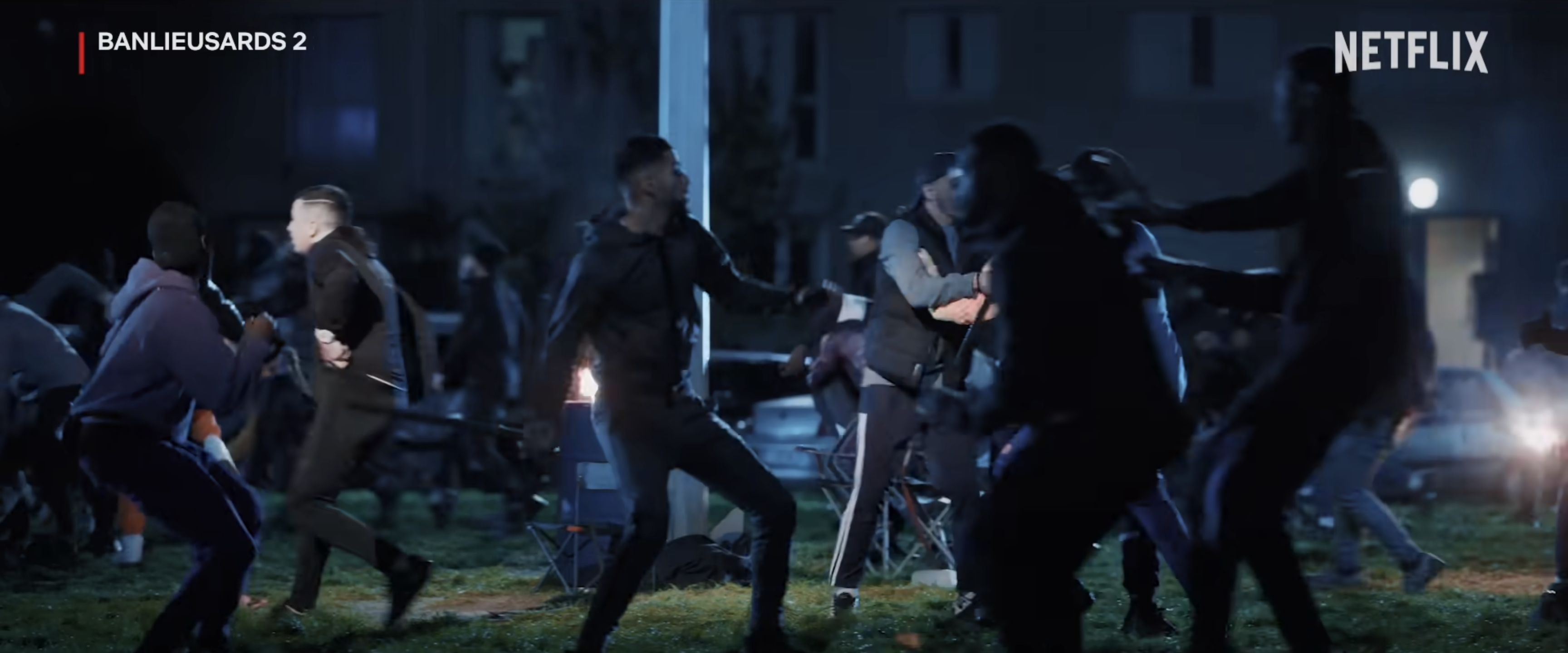
Banlieusards 2
Leïla Sy, Kery James (2023)
“Troubles” thus find participants in breeding grounds shaped by the street and social inequality. But it is important to note that the scope of this breeding ground is widened by forms of sociability characteristic of working-class communities and the collectivization of social life. On this point, which the book does mention, one might have expected specific consideration to “raids” (descentes), when gang members physically enter the neighborhood with which they are in conflict and represent a major form of “trouble.” Stories of raids belong to the dominant narratives that circulate in urban contexts, though Mohammed notes that confrontations often occur in areas lying between residential areas (commercial zones, schools, public transport, and so on).
The description of raids makes it possible to analyze “troubles” through the related group dynamics, which range from core groups of friends to peer groups and even, at times, to a significant share of the neighborhood’s youth. On this basis, a typology of “troubles” emerges. The “big kids”—the oldest of the young people involved in the projects’ life, play a key role in raids. They do so in two ways: because their status among the youth allows them to gather large numbers of participants for these attacks, mobilizing “little kids,” sending them to fight, sometimes in their place, while assisting them in organizing the attacks; and, alternatively, by bringing “troubles” to an end.
An endless cycle?
The complex combination of these social dynamics rooted in socialization in the projects and its distinct forms of sociability—one of the book’s most important contributions lies in its examination of intergenerational relations, which are not typically considered in analyses of such contexts—brings to light a specific culture of “troubles.” The latter can structure local life and make possible the reproduction ad vitam æternam of this violence—so long, that is, as socio-spatial inequalities are not addressed in ways that would absorb the breeding ground that generates “troubles.” For Mohammed, this is the first level at which change must occur.
Rixes
Matthieu Bidan, Adama Camara (2021)
Consequently, it would appear to be a major challenge to mitigate this violence, which is punctuated by rare and fragile moments of peace, even though there exist a wide variety of local actions that could contribute to this goal. For it is at the local level that action must occur, driven by a genuine desire for long-term change and greater on-the-ground knowledge and an understanding of the underlying social dynamics. Consequently, residents belonging to the older generation of young people and who were socialized in these neighborhoods can be essential actors, due to their knowledge of the street. It is to Mohammed’s credit that he proposes this local perspective, with all its moral implications.
In short, this book is itself a major contribution to preventing and minimizing “troubles.” Through its clarity, its prioritization of the social question, and its emphasis on sociological analysis rather than on the prevailing judicial and public-order considerations, the book offers a precise understanding of the mechanisms of “troubles” in order to make visible—notably and perhaps especially to the conflicts’ main actors—the representations and values at play in these encounters, as well as their less visible consequences (stress, loss of urban mobility, and inconveniences for other family members) and more dramatic ones, which shape the daily lives of much of the youth in French projects—and which the book examines with genuine seriousness.
Marwan Mohammed, « Y’a embrouille ». Sociologie des rivalités de quartier, Paris, Stock, 2023, 373 p., 20,90€.
by , 2 September 2025
Share this article
Find us here :


Further reading
To go further:
– Matthieu Bidan, Adama Camara, Rixes, série documentaire, 6 épisodes, couleur, 2021. https://www.france.tv/slash/rixes/
– Jean-Claude Brisseau, De bruit et de fureur, drame, 95 minutes, couleur, 1988.
– Abdellatif Kechiche, L’Esquive, comédie dramatique, 117 minutes, couleur, 2004.
– Ramsès Kefi, « A la base, c’était lui le gentil ». Rixes adolescentes, entre snapchat et réalité, Paris, XXI, 2023.
– Kery James, Leila Sy., Banlieusards 2, drame, 98 minutes, couleur, 2023.
– Bernard Lahire, Pour la sociologie. Et pour en finir avec une prétendue « culture de l’excuse », Paris, La Découverte, coll. « Cahiers libres », 2016.
– David Lepoutre, Cœur de Banlieue. Codes, rites et langages, Paris, Poche Odile Jacob, 2001.
– Marwan Mohammed, La formation des bandes. Entre la famille, l’école et la rue, Paris, Puf, 2011.
– Jean Monod, Les Barjots. Essai d’ethnologie des bandes de jeunes, Paris, Julliard, 1968.
– Laurent Mucchielli, « L’expertise policière des « violences urbaines » », Informations sociales, n°91, 2001
– Jean-François Richet, Ma 6-T va crack-er, drame, couleur, 105 minutes, 1997.
– Yasmine Siblot, et al., Sociologie des classes populaires contemporaines, Paris, Armand Colin, « collection U », 2015.
– Julien Talpin, et al., L’épreuve de la discrimination. Enquête dans les quartiers populaires, Paris, Puf, 2021.
To quote this article :
Mickaël Chelal, « Urban vendettas », Books and Ideas , 2 September 2025. ISSN : 2105-3030. URL : https://laviedesidees.fr/Urban-vendettas
Nota Bene:
If you want to discuss this essay further, you can send a proposal to the editorial team (redaction at laviedesidees.fr). We will get back to you as soon as possible.
You might also like



Footnotes
[1] To these examples one might add that the topic figures prominently in French rap. Mohammed provides several examples (see p. 296-297).
[2] The sociology of working classes, whether in urban or rural contexts, often emphasizes the importance of this social resource, particularly among youth. Mohammed’s essay belongs to this tradition (Siblot, et al., 2015).
[3] The urban revolts of June and July 2023, following the death of Nahel Merzouk, were not spared this disourse. See “Émeutes de juin 2023: l’avis des sociologues,” Senate investigating committee on the June 2023 riots, November 8, 2023: https://www.youtube.com/watch?v=Ss1m-fc3BNo
Our partners


Sections
Keep in touch
© laviedesidees.fr - Any replication forbidden without the explicit consent of the editors. - Mentions légales - webdesign : Abel Poucet